

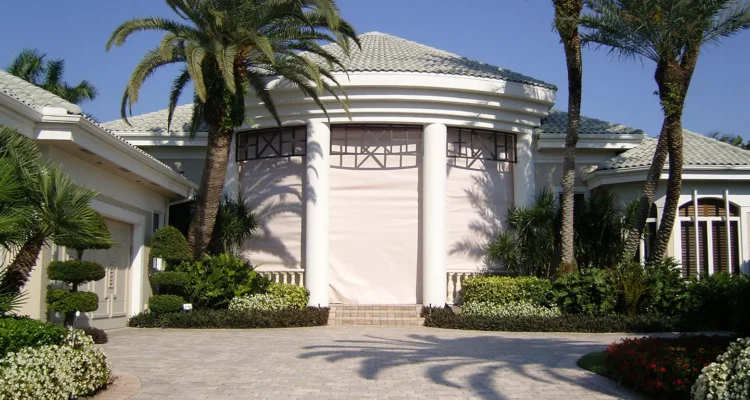
When homeowners search for how to protect windows during a hurricane, they are usually looking for a solution that does more than simply cover glass. They want protection from windborne debris, a system that fits the way their home is built, and an option that does not take away from the property’s appearance year-round. At Armor Screen, we understand that hurricane protection has to be strong, practical, and visually considerate, especially for homes with large windows, patios, lanais, balconies, and architectural details worth preserving. That is why we help homeowners look beyond temporary fixes and compare protection methods that fit both their safety needs and their home’s design.
Hurricane window protection is not one-size-fits-all. Some homeowners are working with standard windows, while others need to protect sliding glass doors, open-air living areas, or custom openings that do not work well with rigid systems. Traditional options like emergency plywood, storm panels, and shutters may be familiar, but each comes with different tradeoffs in appearance, storage, installation, and long-term convenience. This guide explains the most common ways to protect existing windows and openings, while showing why a professionally designed fabric-based system may be a better fit for homeowners who want strength without sacrificing curb appeal.
Why Window Protection Matters During a Hurricane
Windows and glass doors are some of the most vulnerable parts of a home during severe hurricane conditions. When windborne debris strikes an unprotected opening, broken glass can expose the home’s interior to wind, rain, and additional pressure. Once that opening is compromised, the damage may extend beyond the window itself and affect floors, walls, furniture, and other parts of the property. Understanding how to protect windows during a hurricane is really about reducing the chance that one weak point becomes a much larger problem.
Good hurricane protection also gives homeowners more control before storm season begins. Waiting until a storm is approaching can limit available materials, installation time, and professional support. A planned system gives you the opportunity to measure openings correctly, choose a solution that fits your home, and become familiar with deployment before conditions become urgent. At Armor Screen, we believe the best storm preparation is done early, with protection that is selected for the home rather than improvised at the last minute.
What Homeowners Usually Want From Hurricane Window Protection
Most homeowners want reliable storm protection, but they also care about what the system looks like when the sky is clear. A home should be defined by its architecture, not by bulky hurricane protection that dominates the exterior all year. That is especially true for coastal homes, custom homes, historic properties, restaurants, commercial buildings, and outdoor living spaces where appearance is part of the property’s value. A well-chosen system should help protect the opening while still respecting the design of the building.
Convenience matters as much as appearance. Homeowners often want a system that can be deployed without excessive lifting, complicated storage, or a stressful installation process before every storm. They may also need protection for more than windows, including doors, patios, lanais, balconies, screened areas, and other large openings. Before choosing a product, it helps to balance protection, visibility, storage, deployment, building requirements, and the way the system will look when it is not in use.
Common Ways to Protect Windows During a Hurricane
There are several ways to cover or protect windows before a hurricane, and each option has a different purpose. Some are short-term emergency measures, while others are professionally designed systems meant for repeated use. The right choice depends on the size of the openings, the level of protection needed, the homeowner’s ability to install the system, and the importance of preserving the property’s appearance. For this article, we are focusing on ways to protect existing windows and openings rather than full window replacement projects.
Plywood is one of the most commonly known ways to board up windows before a hurricane, especially when homeowners need a short-term or emergency option. However, plywood must be properly sized, secured, stored, and installed before a storm to be useful. It is also heavy, visually unattractive, and not a replacement for a professionally designed hurricane protection system. For homeowners who are planning ahead, plywood is usually better understood as a familiar fallback rather than the ideal long-term approach.
Storm panels are a more structured option than plywood because they are designed to cover specific openings and can be removed after the storm passes. Metal panels and clear panels may provide stronger, more consistent coverage when they are properly fitted and installed according to the system requirements. However, panels still require storage space, physical handling, and enough time to install before severe weather arrives. For homeowners with many windows or large openings, the process can become labor-intensive.
Accordion and roll-down shutters are permanent systems that remain attached to the home. They can be convenient because they are already positioned near the opening and may be faster to close than installing removable panels. The tradeoff is that many shutter systems remain visible all year, which may not suit homeowners who want a cleaner exterior or who have specific architectural details they want to preserve. For some properties, the hardware, boxes, tracks, or shutter profile may feel too visually heavy.
Hurricane fabric systems offer another way to protect windows, doors, patios, lanais, and larger openings without relying on bulky rigid panels. These systems are designed to provide flexible storm protection while reducing the visual impact often associated with traditional shutters. At Armor Screen, our products include deployment options such as the original Buckle and Strap system, I-Beam Track, Hemcord, and Roll Up systems that deploy at the push of a button. To learn more about this type of solution, homeowners can explore Armor Screen’s hurricane fabric protection and how it works as a flexible storm protection system.
How to Protect Windows During a Hurricane Without Hurting Curb Appeal
For homeowners asking how to protect windows during a hurricane without covering their home in visible hardware, the best solution may be one that balances tested protection with a cleaner exterior profile. Some systems perform an important job but change the look of the home even when no storm is present. That may not be ideal for homeowners who have invested in exterior design, custom windows, coastal views, or outdoor living spaces. A protection system should support the home’s safety without making the home feel closed off or visually compromised.
This is one reason many homeowners look closely at removable, low-profile, or fabric-based systems. Armor Screen systems are designed to blend into architectural details instead of overwhelming them, and our products are available in curated color options that can complement a wide range of exterior palettes. Choices such as black, beige, cream, white, and grey allow homeowners to think about hurricane protection with style in mind, not just function. The goal is peace of mind without forcing the home to give up the appearance that made it worth protecting in the first place.
What to Consider Before Choosing a Hurricane Window Protection Method
A helpful way to think about how to protect windows during a hurricane is to start with the openings themselves. Standard windows may be relatively straightforward, but large picture windows, sliding glass doors, French doors, patios, balconies, lanais, and screened areas can be more complicated. Larger openings often require a different approach than individual window covers because they involve more surface area and may be exposed to stronger wind and debris conditions. A professionally designed system can account for those details instead of treating every opening as though it has the same requirements.
Ease of deployment is another major factor. Some systems require heavy lifting, multiple people, or significant setup time, while others are designed to be faster and more manageable once installed. Storage also matters because plywood and rigid panels can take up valuable garage or utility space, especially on properties with many openings. Homeowners should also consider what the system looks like when it is not in use, whether it complies with local requirements, and whether it has been tested and approved for the region where the home is located.
At Armor Screen, all of our weather protection products are made in the USA and are Miami-Dade Approved and Florida Building Code Approved for use in High Velocity Hurricane Zones. Our systems are tested up to 195 PSF, which is equivalent to 276 MPH, and are built to survive multiple large missile impacts without failure. We are also recognized for ICC 500-rated products, and our approval documentation may support insurance discussions depending on the provider and policy. Homeowners should always follow local building codes, manufacturer instructions, and professional guidance when selecting or installing hurricane protection.
Why Fabric-Based Hurricane Protection Is Worth Considering
Hurricane fabric is designed as a flexible protective system for storm-prone homes and buildings. Instead of relying on a rigid panel or a permanent shutter profile, fabric-based protection can cover a wide range of openings while maintaining a lighter, more adaptable design. This can make it especially useful for patios, lanais, balconies, large windows, restaurants, commercial properties, historic buildings, hospitals, FEMA shelters, and other places where both protection and design flexibility matter. At Armor Screen, we have installed more than 12,000,000 square feet worldwide since 1998, and our systems have protected people and property through countless hurricanes, including category five storms.
Visibility is another advantage many Armor Screen customers appreciate during a storm. Traditional coverings can leave homeowners feeling closed in, while our lightweight, transparent systems allow people to see out during an event. That visibility can make the home feel less dark and confined while still providing serious weather protection. Homeowners comparing broader hurricane window protection options can use that guide to understand the full range of available systems, then return to fabric-based protection when they want a solution that combines strength, visibility, versatility, and a cleaner appearance.
The Best Approach Depends on Your Home
No single hurricane protection method is right for every property. A smaller home with standard windows may have different needs than a coastal home with wide patio openings, a historic building with preservation concerns, or a restaurant that needs to protect open-air dining space. The home’s architecture, exposure, opening sizes, deployment needs, and appearance goals all influence the best choice. That is why we do not believe homeowners should choose a system based only on what is most familiar.
When you compare options, look at how each system will function before, during, and after a storm. Emergency plywood may be familiar, but it requires preparation, storage, and physical installation before each storm. Panels and shutters may suit some homes, but they may not offer the appearance, visibility, or flexibility every homeowner wants. Armor Screen helps homeowners evaluate whether a fabric-based system is appropriate for their property, especially when they need a solution that protects more than standard windows.
Preparing Before Storm Season
Storm preparation should begin well before a hurricane is in the forecast. Homeowners should measure and assess their openings, review the condition of any existing protection, and make sure hardware, fasteners, and deployment materials are accessible. If a system requires installation steps, those steps should be reviewed before the pressure of an approaching storm. Planning early gives homeowners time to address missing parts, damaged materials, or openings that were never properly protected.
Professional support is also easier to schedule before demand increases. Hurricane season preparation is not only about buying a product; it is about knowing that the product fits the home, that the installation method is correct, and that the homeowner understands how the system is used. At Armor Screen, we help homeowners and property owners choose systems that fit their openings, their design preferences, and their storm preparation needs. This proactive approach is especially important for larger homes, commercial properties, and buildings with multiple types of openings.
When to Talk to a Hurricane Protection Specialist
A specialist can be especially helpful when the home has large openings, patios, balconies, lanais, unusual window shapes, or architectural details that make standard covers difficult. Professional guidance can also help when a homeowner wants storm protection without permanently changing the exterior appearance of the property. Instead of guessing between panels, shutters, and fabric systems, homeowners can discuss how each option would work on their specific home. That kind of guidance is valuable because the best solution is not just the strongest product on paper; it is the system that fits the building and can be used correctly when it matters.
When you ask us how to protect windows during a hurricane, we look at the full picture. We consider the openings, the structure, the desired appearance, the deployment method, the local requirements, and the homeowner’s long-term expectations. Our goal is to help protect the people and places you hold most dear with systems built for strength, visibility, versatility, and style. Whether you are protecting a home, business, historic property, or large outdoor living area, Armor Screen can help you explore flexible hurricane protection options designed around your needs.
Protect Your Windows With a Solution That Fits Your Home
Learning how to protect windows during a hurricane starts with understanding your options and being honest about the tradeoffs. Emergency plywood, storm panels, shutters, and hurricane fabric each come with different considerations, but the best choice is the one that fits your home, your openings, and the way you want your property to look year-round. A system should not only help protect against storm conditions; it should also be practical to use, appropriate for your region, and compatible with the architecture of the building. That balance is where Armor Screen’s flexible hurricane protection systems can make a meaningful difference.
At Armor Screen, we take safety seriously, but we also know that homeowners do not want their properties defined by storm products. Our systems are designed to provide tested protection while preserving visibility, curb appeal, and architectural character. With made-in-the-USA products, multiple deployment options, Miami-Dade and Florida Building Code approvals, and time-tested performance since 1998, we are proud to help protect homes and buildings in hurricane regions around the world. If you are ready to prepare your property before the next storm season, Armor Screen can help you choose a solution that fits your home as well as it protects it. Get in touch today!